Gynecomastia surgery in Kuwait is one of the most effective treatments for male breast enlargement. Many men experience excess fullness or protrusion in the chest due to enlargement of the breast gland or excess fat in the chest area. This condition can lead to embarrassment and reduced self-confidence.
In Kuwait and some Gulf countries, the condition is often referred to as “Gyno” or “Jyno”, derived from the medical term Gynecomastia.


Gynecomastia is the enlargement of male breast tissue caused by an increase in glandular tissue or fat in the chest area.
Gynecomastia may appear as:
The condition may affect one side of the chest or both sides.

There are several factors that may lead to the development of gynecomastia.
Gynecomastia often occurs when there is an imbalance between the hormones:
This imbalance may cause enlargement of the breast gland.
Excess body fat can lead to fat accumulation in the chest area, sometimes referred to as pseudogynecomastia.
The use of anabolic steroids is one of the most common causes of gynecomastia among bodybuilders and athletes.
Some medications may affect hormone levels and contribute to breast gland enlargement.
Many men assume chest fullness is caused only by excess fat. However, gynecomastia often involves firm gland tissue beneath the nipple area.
Chest fat may improve with weight loss and exercise, while true gynecomastia frequently requires surgical treatment to remove gland tissue. Many patients have a combination of both fat and gland enlargement.
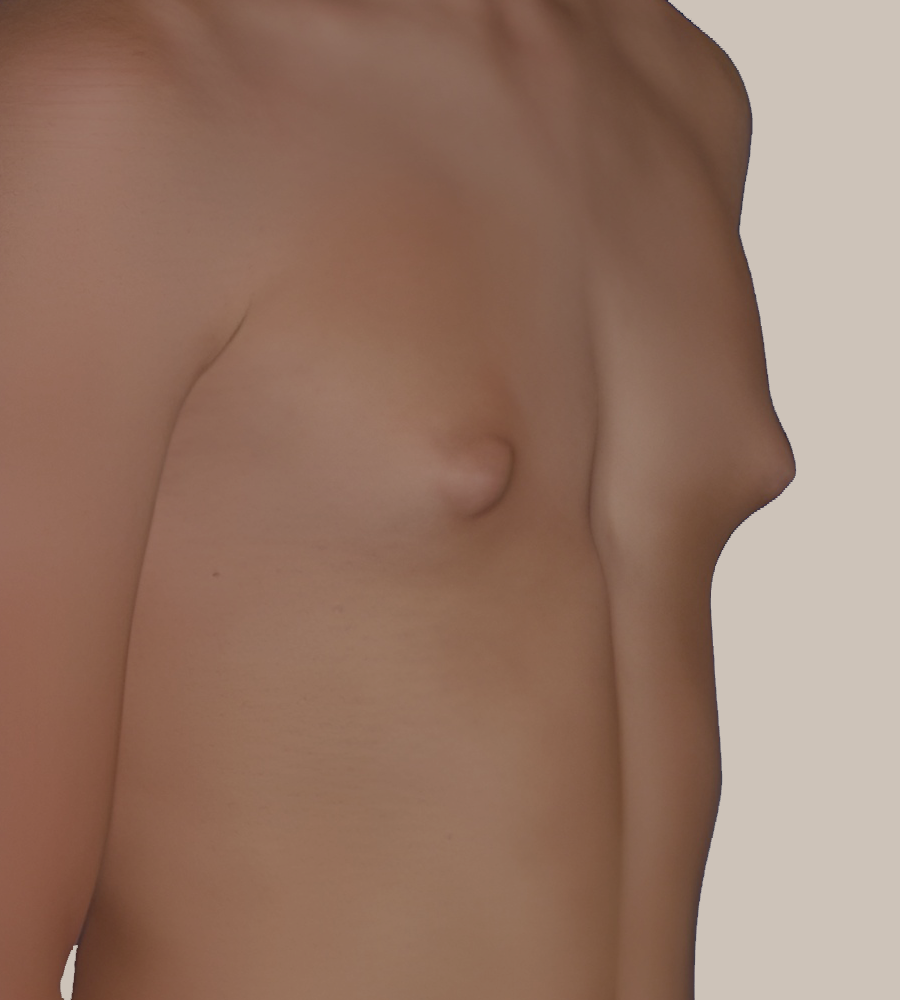
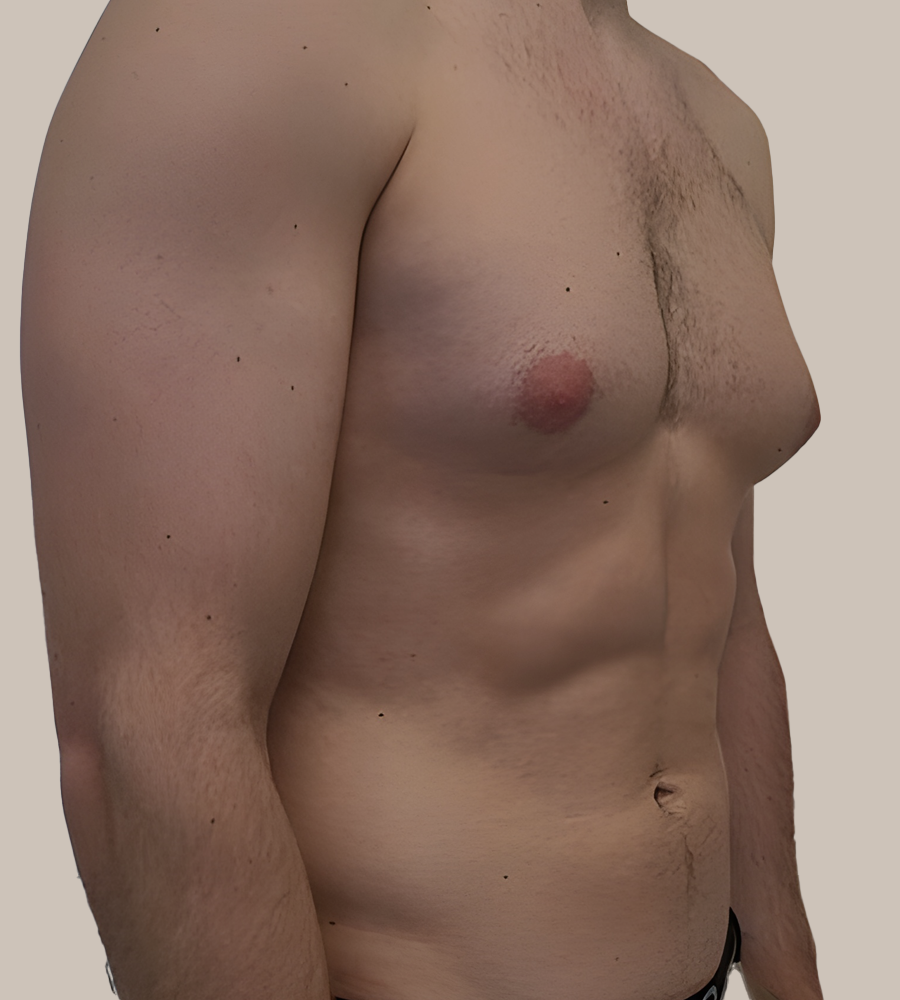
Gynecomastia is usually classified into different grades depending on the amount of tissue and the presence of excess skin.
Understanding the grade of gynecomastia helps determine the best treatment approach.
 Grade 1
 Grade 2
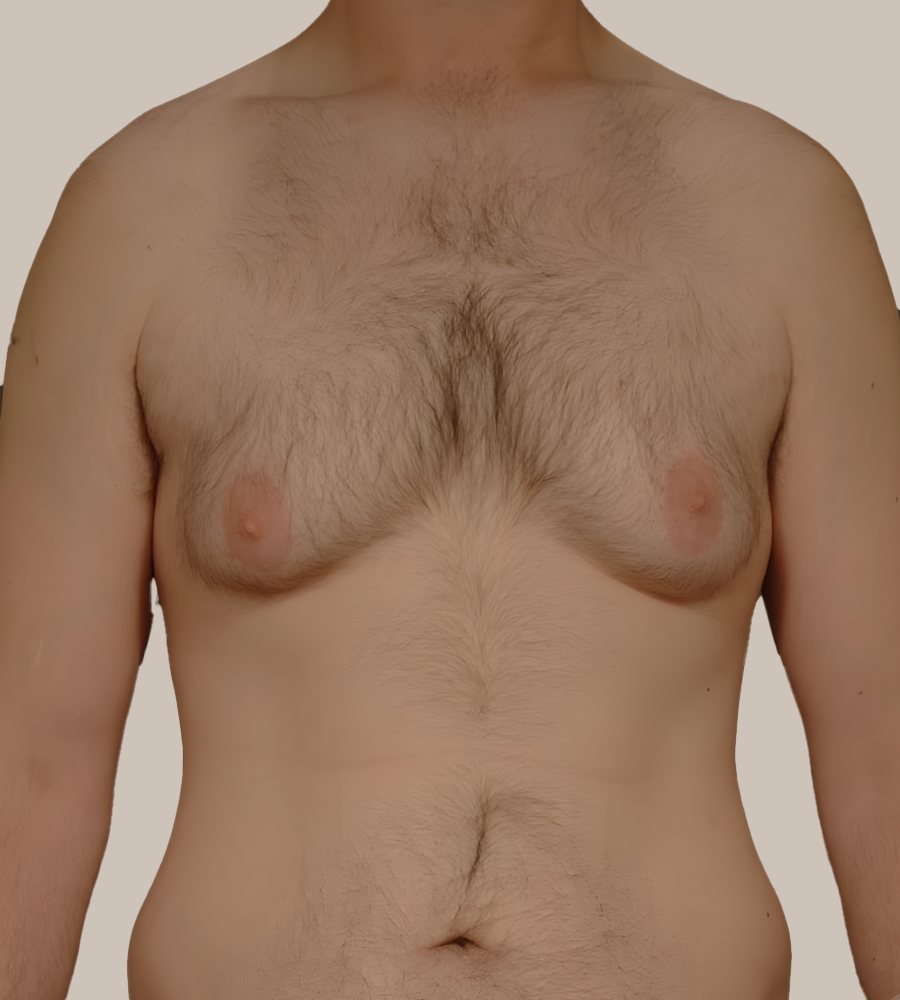 Grade 3
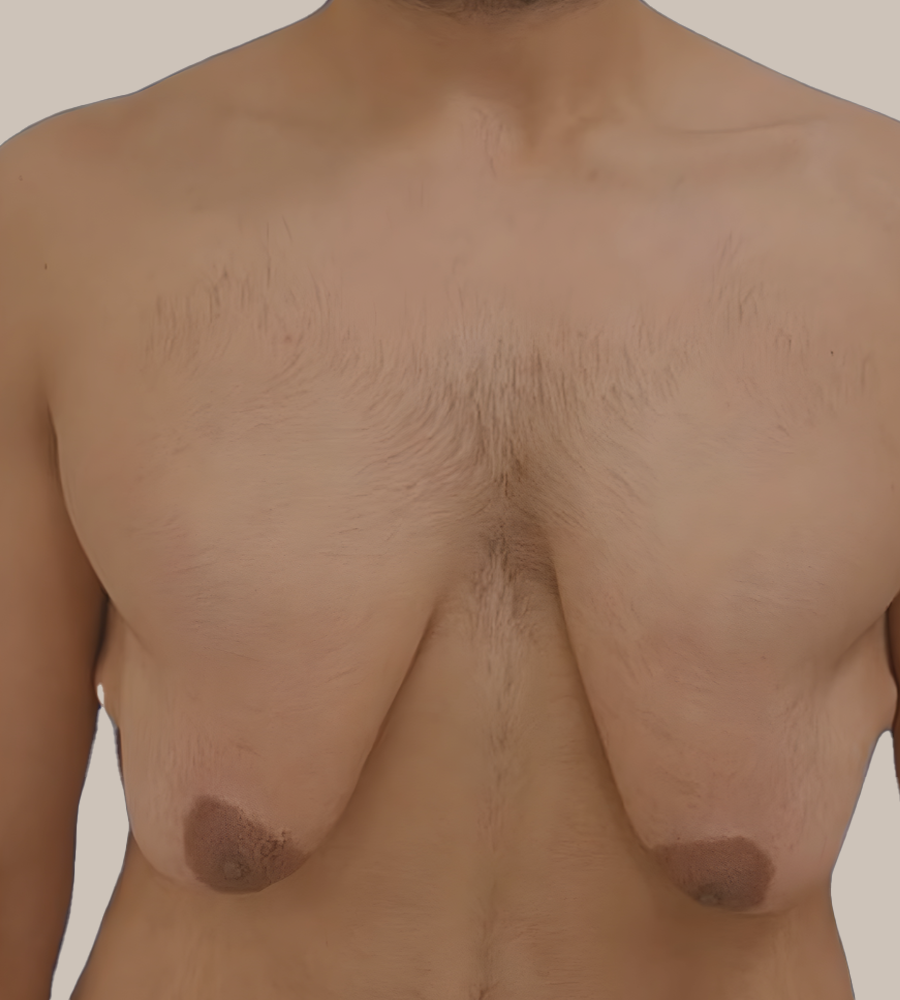 Grade 4
Patients seeking gynecomastia surgery often look for more than tissue removal alone. Male chest contouring requires careful attention to anatomy, skin quality, muscle definition, and natural masculine proportions.
Dr. Eisa Lari has performed over 1,000 gynecomastia procedures with a strong focus on natural-looking results and individualized surgical planning.
Every surgical plan is customized based on chest anatomy, skin laxity, gland volume, and patient goals.
To help you feel confident and informed, here are answers to some of the most common questions we receive about gynecomastia and male breast reduction surgery.
Chest fat is caused primarily by excess fatty tissue, while gynecomastia involves firm gland tissue beneath the nipple area. Many patients have a combination of both fat and gland enlargement.
Exercise may improve chest fat, but true gland tissue usually does not disappear with exercise alone. Many men with gynecomastia maintain active lifestyles and low body fat while continuing to notice fullness beneath the nipple area.
Puffy nipples are commonly caused by glandular tissue beneath the areola and are a frequent form of mild gynecomastia. The appearance may become more noticeable in fitted clothing or during warm temperatures.
Mild gynecomastia during puberty is very common and may improve naturally over time. In some cases, however, gland tissue can persist into adulthood.
Anabolic steroid use may contribute to hormonal imbalance and gland enlargement in some patients. The severity varies depending on hormonal response, genetics, and duration of use.