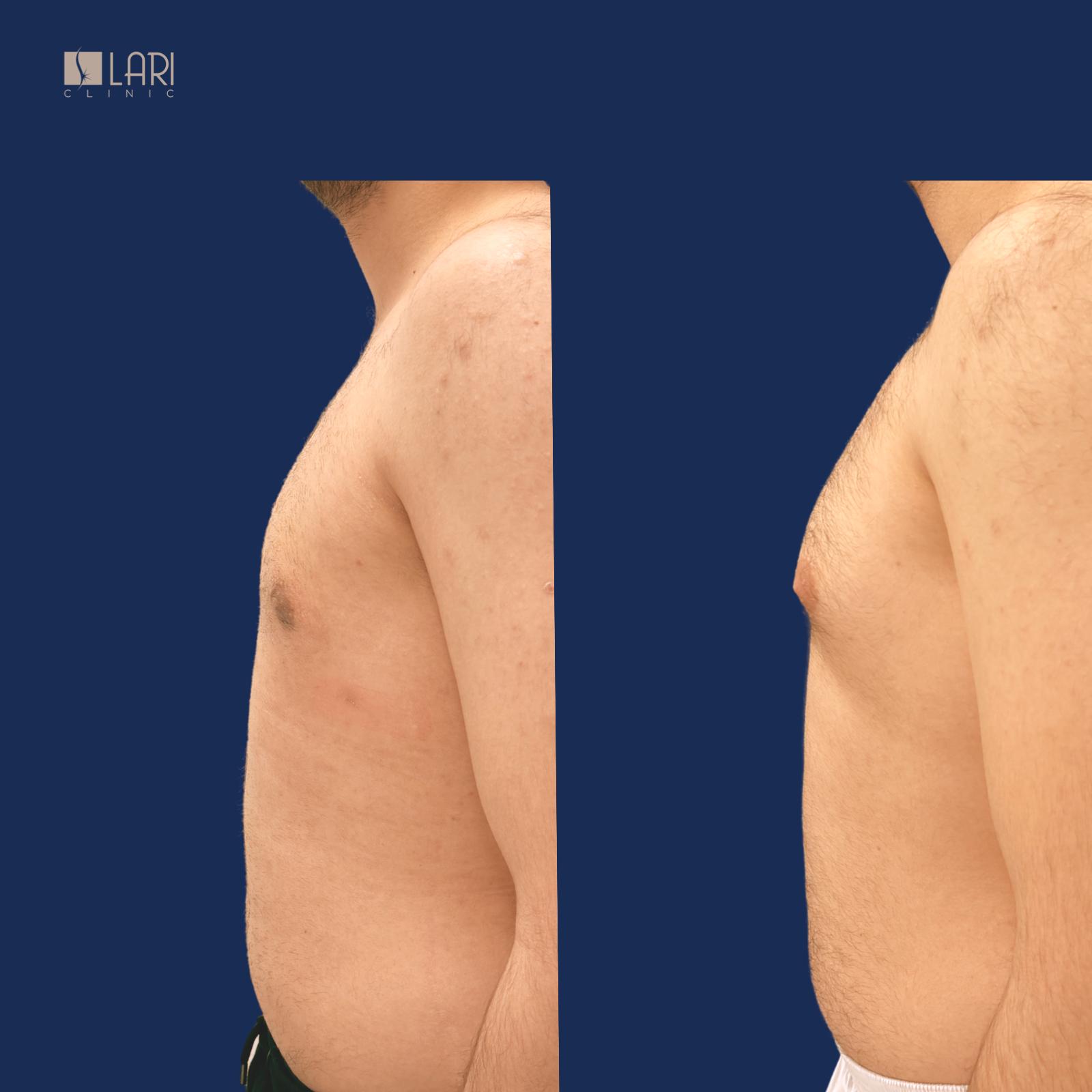
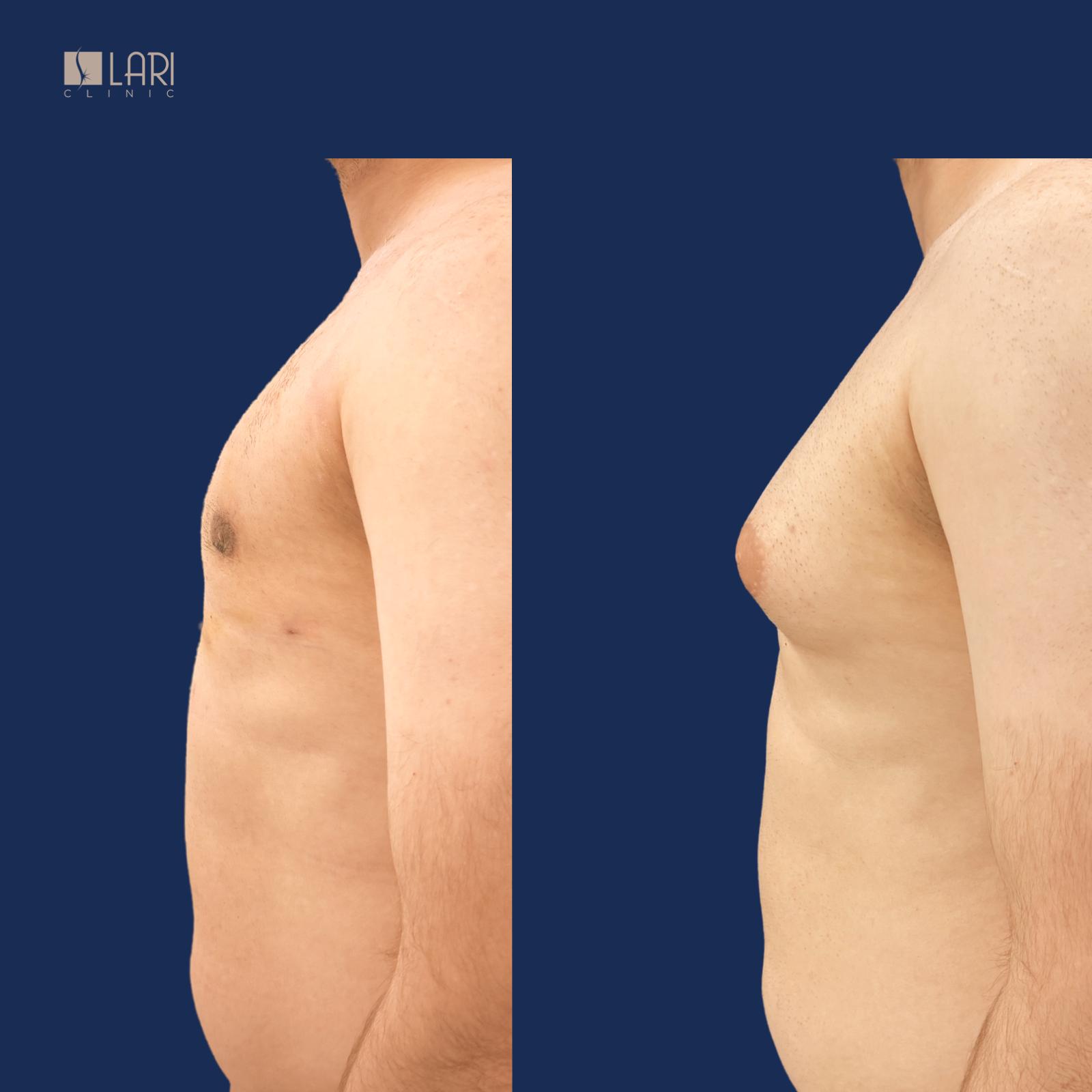
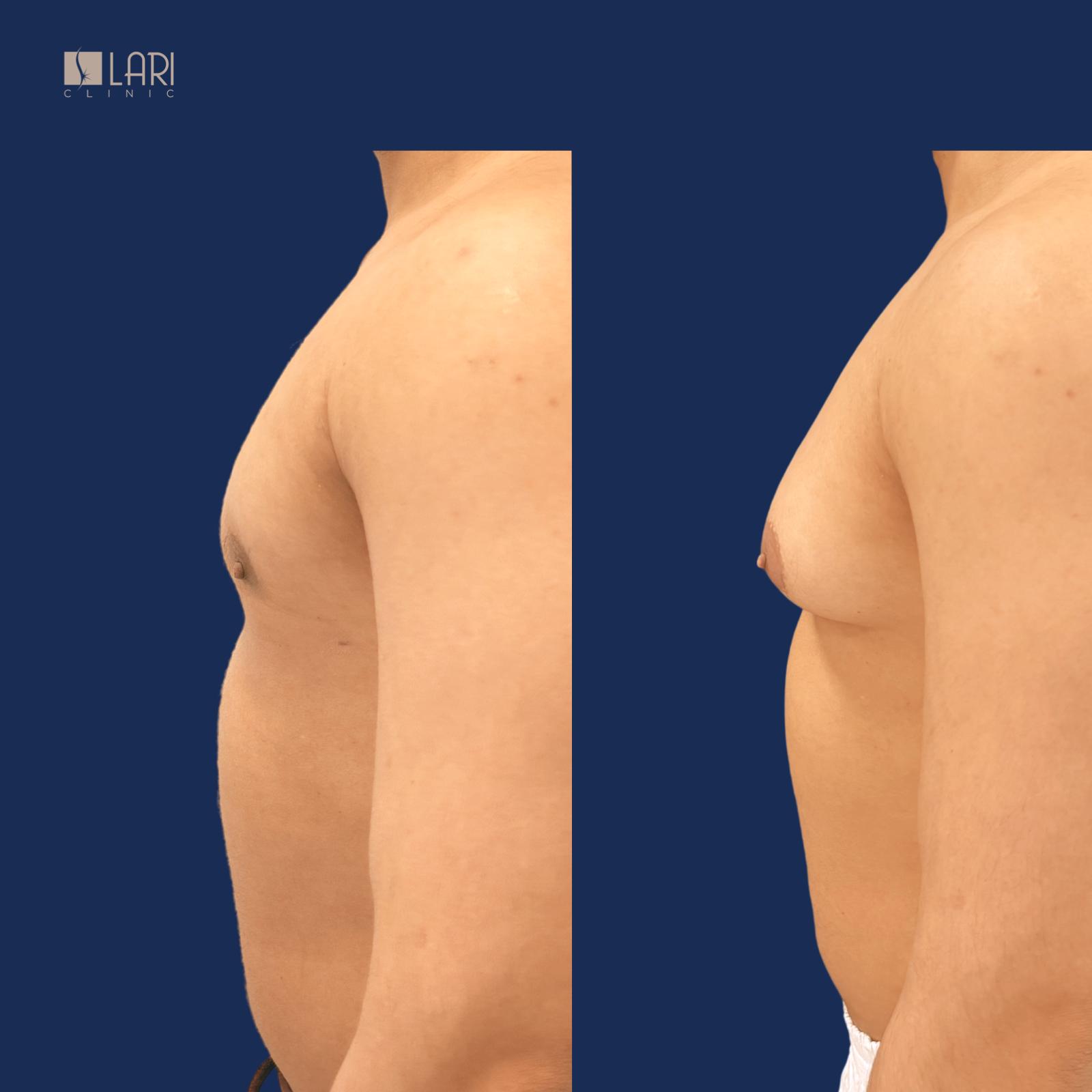
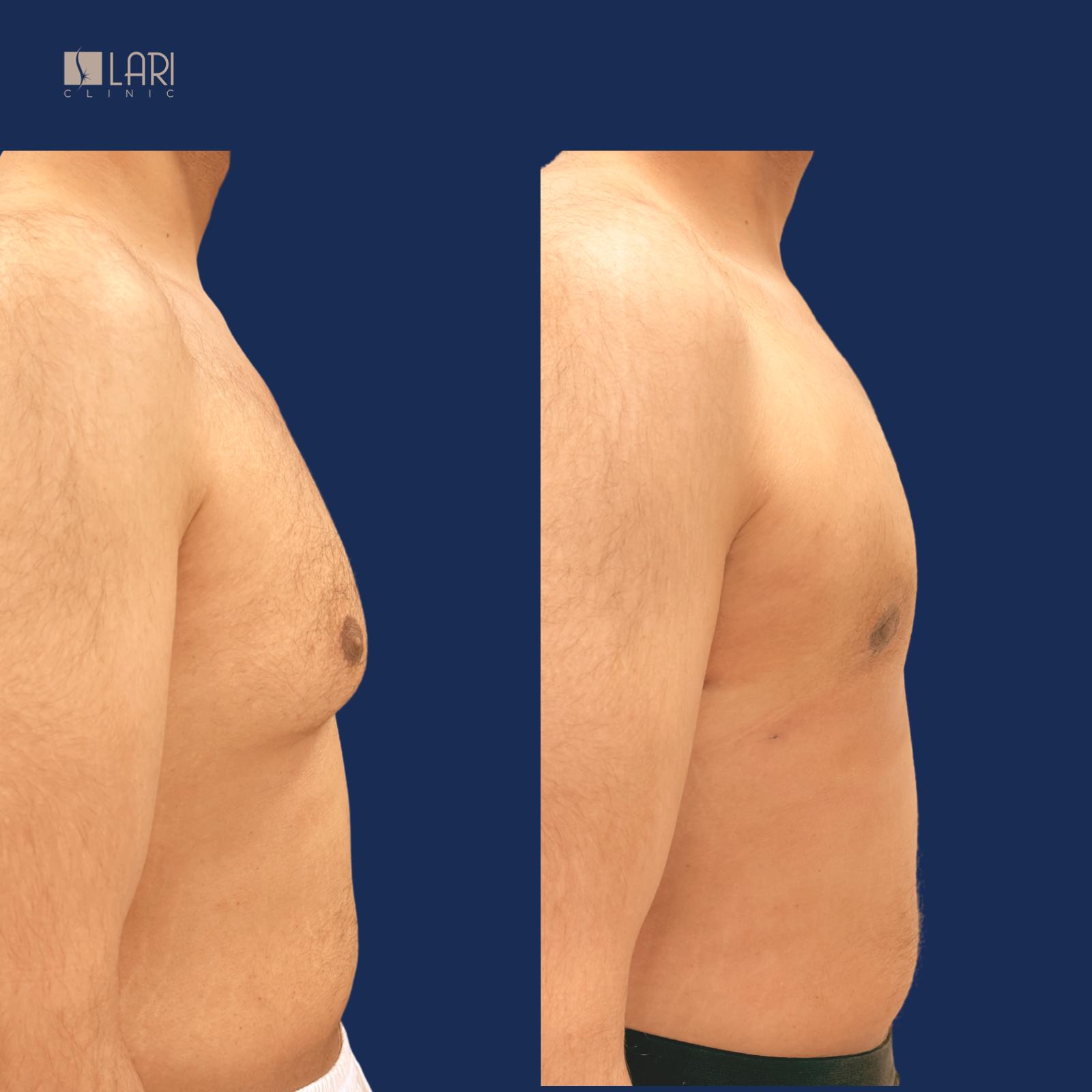
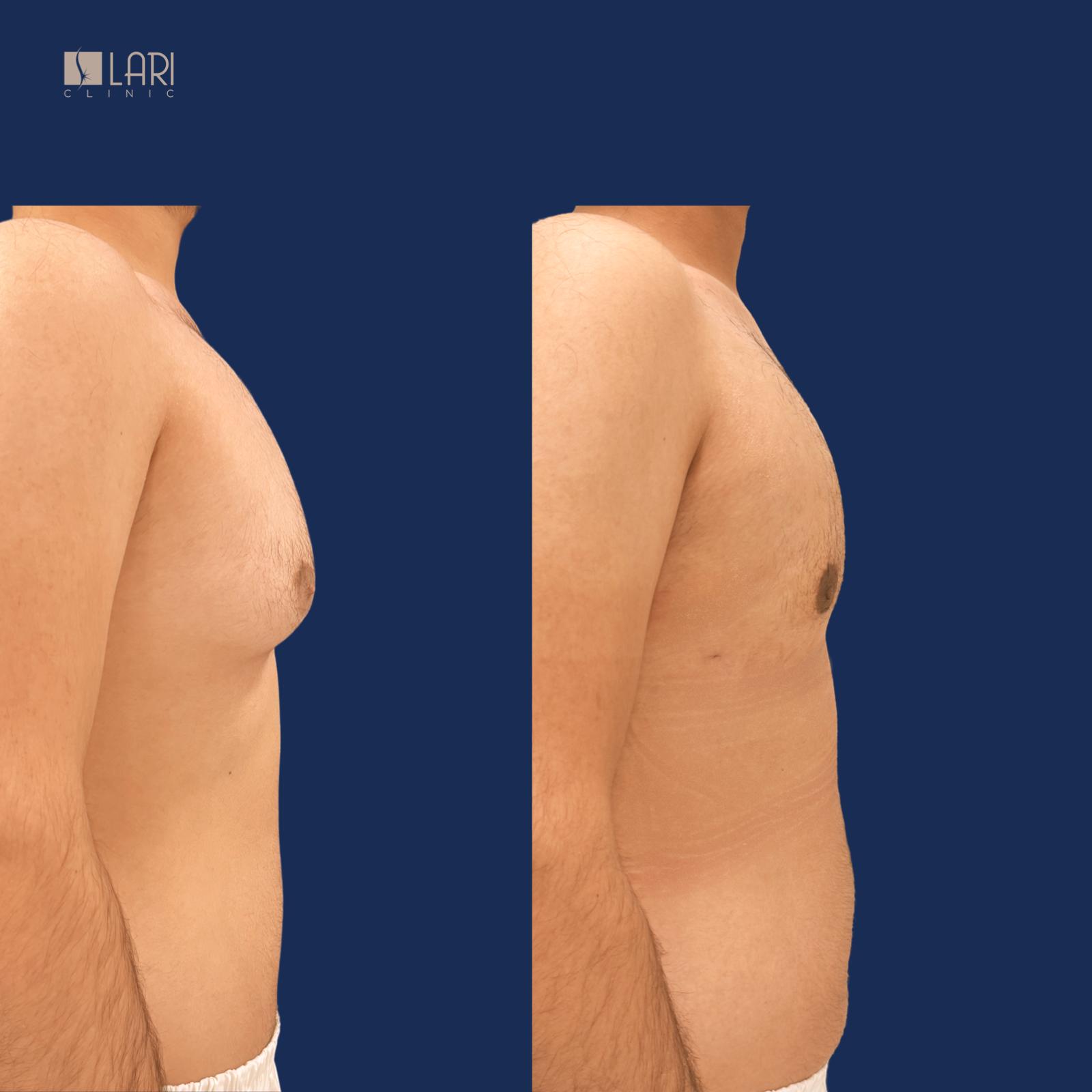
Before and after results in gynecomastia surgery may vary depending on chest anatomy, skin quality, gland volume, body composition, and surgical technique.
Successful male chest contouring requires more than tissue removal alone. Natural masculine chest shape, symmetry, nipple position, skin retraction, and overall body proportions all play an important role in achieving balanced results.
Dr. Eisa Lari has performed over 1,000 gynecomastia procedures with a strong focus on natural masculine contouring and individualized surgical planning.
Before and after photography should be performed using standardized positioning, lighting, posture, and camera angles whenever possible.
Differences in lighting, posture, flexing, camera distance, and image editing may significantly affect the appearance of surgical results.
Standardized photography allows more accurate assessment of chest contour, symmetry, nipple position, and skin retraction following surgery.
Chest Anatomy: Every patient has different chest anatomy, gland distribution, skin thickness, and body composition.
Skin Quality: Skin elasticity and skin quality may significantly affect chest contour and skin retraction after surgery.
Severity of Gynecomastia: Mild puffy nipple deformities differ significantly from larger grades of gynecomastia involving excess skin and chest fullness.
Athletic and Lean Patients: Lean and athletic patients often require a more specialized approach due to chest muscle definition and low body fat percentage.
Dr. Eisa Lari has performed over 1,000 gynecomastia procedures with a strong focus on male chest aesthetics and natural masculine contouring.
Surgical planning is individualized based on:
Particular attention is placed on preserving natural masculine chest proportions while minimizing contour irregularities and visible scarring.
To help you feel confident and informed, here are answers to some of the most common questions we receive about gynecomastia and male breast reduction surgery.
Gynecomastia is commonly seen in active individuals, gym-goers, and athletes in Kuwait. Many patients maintain low body fat and regular exercise routines but continue to notice fullness or puffiness beneath the nipple area due to persistent gland tissue.
Exercise may improve chest fat, but true gland tissue usually does not disappear with exercise alone. Many patients in Kuwait commonly refer to gynecomastia as “gyno,” particularly within gym and fitness communities.
The goal of gynecomastia surgery is not simply a flatter chest, but a natural masculine chest contour that fits the patient’s body structure. Surgical planning takes into account chest anatomy, muscle definition, skin quality, and body composition.
In many cases, incisions are placed near the edge of the areola to help minimize visibility. Scar appearance depends on healing characteristics, skin quality, and the severity of gynecomastia.
Most patients return to office-based work and light daily activities within several days after surgery. Swelling gradually improves over time, with chest contour becoming more defined during the recovery process.